

Digital & Tech Literacy (Absolute Beginner)
Overall Learning Outcomes
By the end of this course, students will be able to:
1. Identify and explain the core parts of a computer and how they work together
2. Navigate the internet safely and confidently, including basic browser and email use
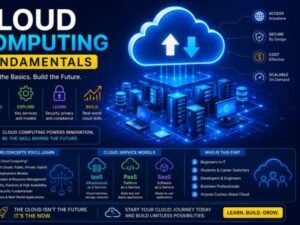
3. Explain what cloud computing is and identify examples of it in everyday life
4. Describe the difference between traditional storage and cloud storage
5. Define artificial intelligence in plain language and give real-world examples
6. Recognize where AI already shows up in tools they use every day
• First-time computer or smartphone users
• Students preparing to enter any AIIT paid track
• Job seekers who need basic digital skills for employment
• Adult learners returning to education after time away from tech
Video source is missing or invalid.
- Description
- Curriculum
- FAQ
- Reviews
Digital & Tech Literacy is AIIT’s entry-point free course, designed for students who are new to computers, the internet, cloud computing, or artificial intelligence. There are no prerequisites. By the end of this course, students will be comfortable using a computer confidently, understand what “the cloud” actually means, and understand what AI is and how it affects daily life.
This course is intentionally the first step in the AIIT learning journey — it prepares students for our paid Cloud Computing and Artificial Intelligence tracks by building the foundational vocabulary and confidence needed to succeed in those programs.

1. Identify and explain the core parts of a computer and how they work together
2. Navigate the internet safely and confidently, including basic browser and email use
3. Explain what cloud computing is and identify examples of it in everyday life
4. Describe the difference between traditional storage and cloud storage
5. Define artificial intelligence in plain language and give real-world examples
6. Recognize where AI already shows up in tools they use every day

 Google